In this note
Repeat orders are where a menswear programme makes its margin, and where schedules are most often misjudged. Nothing about the garment is new, so buyers plan as if the calendar is shorter than it is. It is shorter than a first order, but not by as much as people assume.
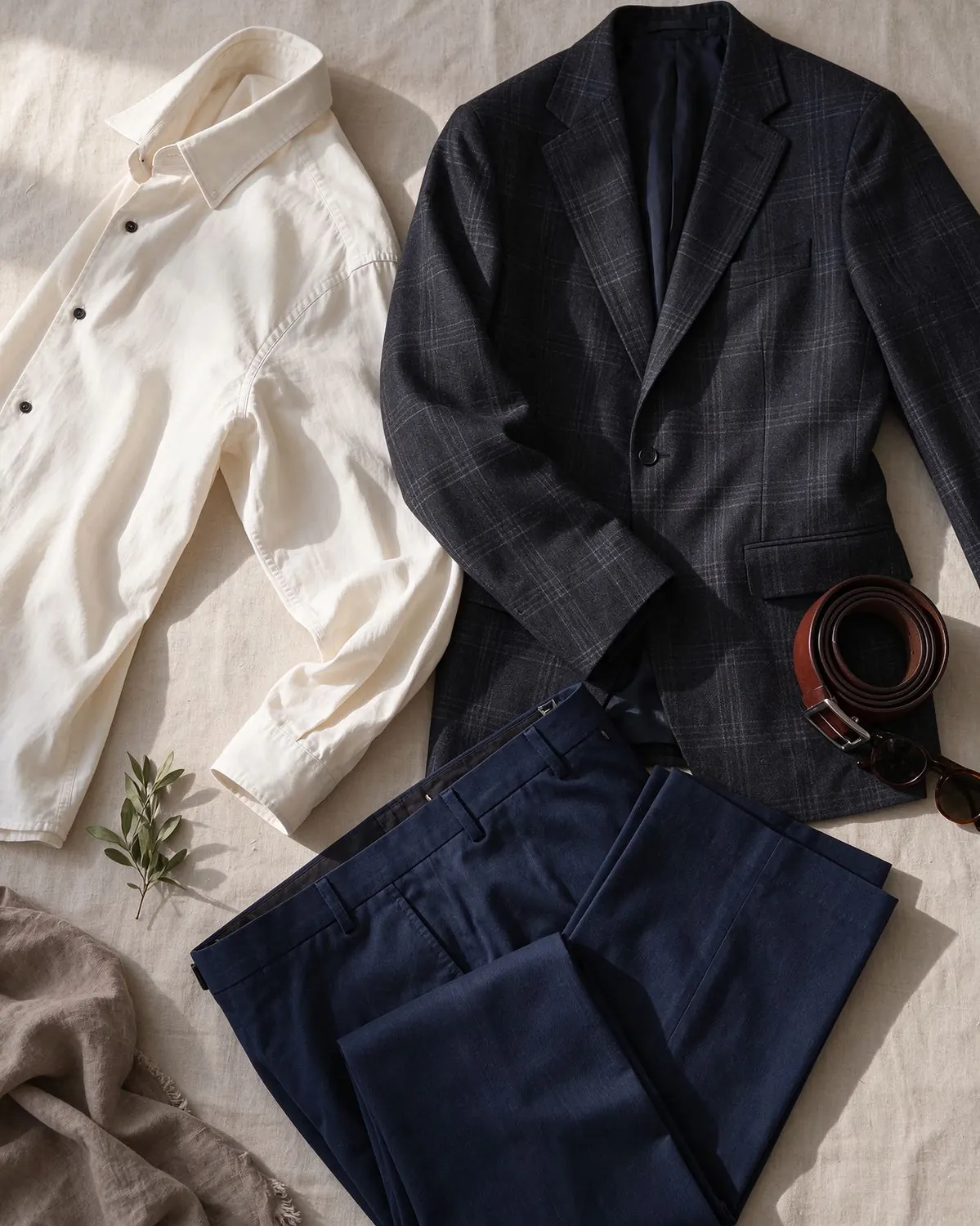
What a repeat skips
Pattern making, fit sampling and comment rounds disappear. If the pattern, the fabric record and the measurement sheet are kept, production can start from the approved sample: roughly two weeks saved at the front of the schedule, and no sampling cost.
What it does not skip
- Fabric. Stock cloth ships in days; a re-woven custom bunch is 20–30 days and may not match the previous dye lot.
- Trims. Buttons, linings and labels are usually stock, but a branded label needs re-ordering.
- Cutting and sewing. 25–35 days after fabric is in-house, the same as a first order.
- Inspection, packing and inland transport to the port: 3–5 days.
A working calendar
PO confirmed with fabric in stock: 30–40 days to FOB, plus 25–30 days sea to Europe, 18–25 to the US East Coast. Add customs clearance and inland delivery. In practice a repeat placed in June lands in a European warehouse in September.
Where to hold buffer
Put the buffer on the fabric, not on the sewing floor. A week of fabric in stock absorbs a late PO decision without touching production; a week demanded from the sewing floor usually becomes overtime and a quality risk. If the style sells in more than one colour, book the fabric for both at the same time and hold the second colour uncut.
The one number to agree in advance
Ask what quantity triggers a price break and what quantity makes the fabric minimum work. Repeat orders that grow 20–30% per season are normal; if a 30% increase crosses a fabric minimum, plan it one season ahead rather than discovering it at PO stage.
Questions buyers ask
- Does a repeat order need a new sample?
- Not when the fabric and spec are unchanged. We cut a pre-production sample for the record.
- How long is a repeat?
- 25 to 30 days once fabric is in-house, plus seven days if a colour needs dyeing.
Send a tech pack, a reference garment or just a photo and a size chart — we quote within one working day. How an order runs, from brief to shipment →